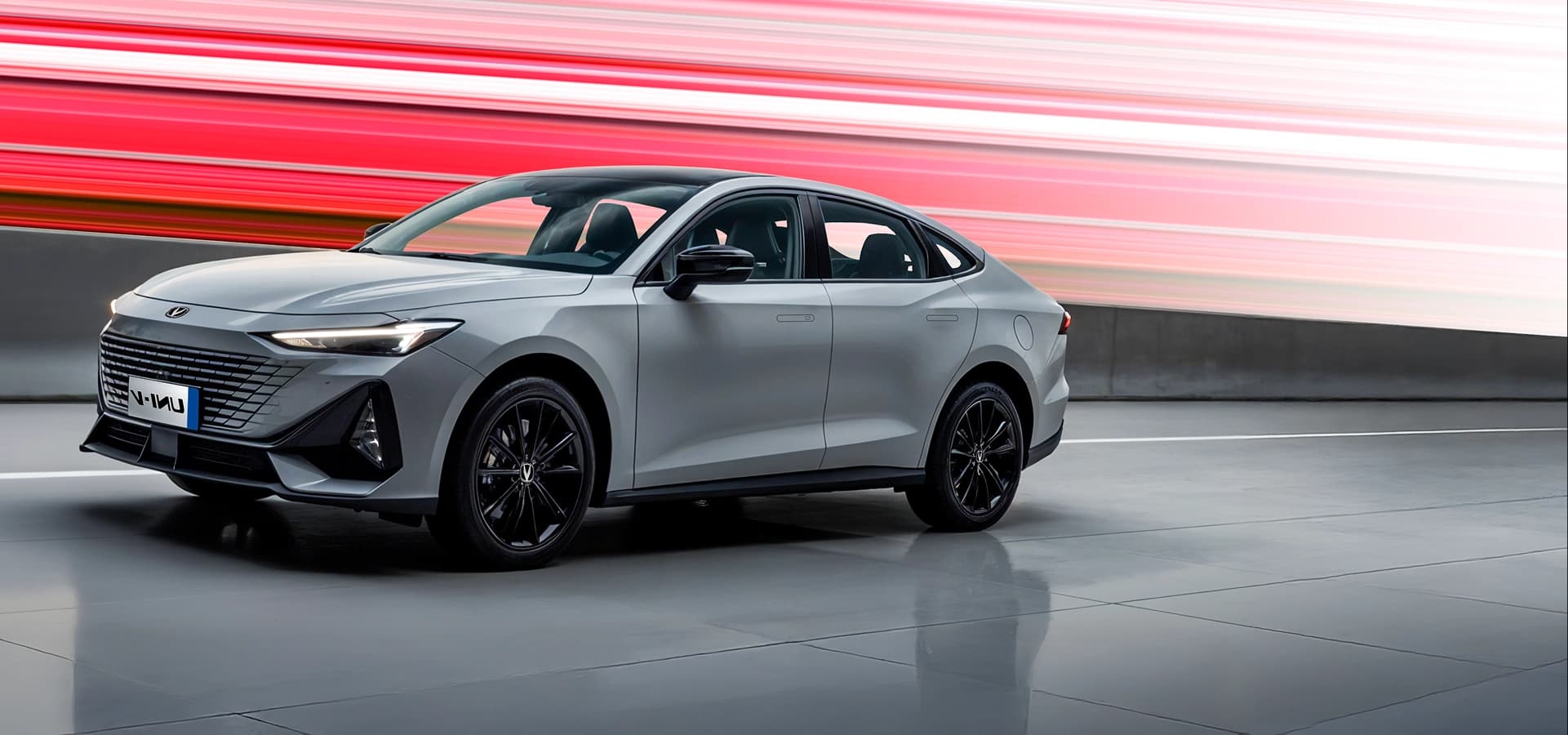
CLTC is the China light-duty vehicle test cycle, and it is the most optimistic of the three cycles you will see quoted. As a working rule, a CLTC figure is roughly 10 to 15 percent above the WLTP equivalent and 25 to 35 percent above the US EPA equivalent for the same vehicle.
Why the same car gets three different numbers
The cycles differ in average speed, in how much time is spent at a standstill, and in how aggressively they accelerate. CLTC has a low average speed and a high proportion of idle time, which flatters an electrified drivetrain because regenerative braking recovers energy and the engine is off at rest. WLTP runs a faster, more varied profile. The EPA cycle adds a cold-start, an air-conditioning and a high-speed test and then applies a further adjustment factor.
| Cycle | Indicative electric range | Use it for |
|---|---|---|
| CLTC (as published) | 136 km | Comparing Chinese-market cars with each other |
| WLTP equivalent (estimated) | ~118 km | European and Gulf expectations |
| Real urban use with A/C | 100 - 110 km | Planning a ride-hailing shift |
The WLTP and real-world rows are our estimates from the CLTC figure, not manufacturer or regulator data. Only the 136 km CLTC number is published.
What this means for a fleet order
Size the duty cycle off the real-world figure, never off CLTC. A driver doing 200 km a day on a UNI-V iDD will run the last 90 to 100 km on the petrol engine at about 5.0 L/100 km unless there is a midday charge available. That is still better than the 6.1 L/100 km of the 1.5T, but it is not the near-zero fuel bill the CLTC number implies.
“WLTP was developed to provide a more realistic basis for comparing fuel consumption and emissions figures.”